
How to Cook Pasta Perfectly Every Time: Easy Tips and Tricks
Introduction: The Joy of Pasta Night
Ah, pasta night—the savior of busy weeks, the ultimate comfort food, and the delight of families and friends alike. There’s just something magical about a bowl of perfectly cooked pasta, whether it’s nestled with a rich, velvety sauce or tossed with fresh veggies and zesty olive oil. If you’ve ever had a pasta dish that made you say, “Wow, I need to make this again,” you know what I mean!
Having spent years experimenting in the kitchen, I’ve discovered a few golden rules that can transform even the humblest of pasta dishes into a showstopper. And I’m here to share those tips with you so that you can impress your loved ones with minimal effort. Cooking pasta doesn’t have to be daunting or complicated; in fact, it’s a canvas for creativity! I’ll guide you through everything you need to know, from choosing the right kind of pasta to achieving that perfect al dente bite, while sharing some personal kitchen stories along the way.
So put on your favorite playlist, grab your trusty pot, and let’s dive into the wonderful world of pasta!
Personal Story: The Magic of Family Recipes
Growing up, pasta night was sacred in my household. My family would gather around the table, the aroma of garlic and simmering marinara wafting through the air. My mom had her own secret pasta recipe that was passed down through generations—a delicious spaghetti that had just the right balance of savory and sweet. I remember watching her cook, always with a bit of flour dusting her hands and an infectious laughter that made cooking feel like pure joy.
One particular night, I decided to take charge of dinner. I was excited but also a bit nervous. Armed with my mom’s recipe, I felt determined to make it my own. As I stirred the sauce, I accidentally knocked a bottle of olive oil off the counter, and it splattered everywhere—on the walls, the floor, and yes, even on my hair! Instead of panicking, I burst out laughing, and my little sister joined in. We ended up creating a pasta masterpiece together and laughed about the mess as we savored the results. That night taught me an important lesson: The kitchen is a place for joy, not perfection. It’s where memories are made, not just meals.
Ingredients: All You Need for Pasta Perfection
Let’s talk ingredients! Here’s a list of what you’ll need to create the pasta of your dreams, along with a few chef insights to guide you along the way.
Ingredients Breakdown
-
Pasta (any type):
- Whether you’re craving spaghetti, penne, or fettuccine, the type of pasta you choose can change the whole dish! Remember, different shapes hold sauces differently. For example, delicate angel hair pairs beautifully with light sauces, while rigatoni is a champ with hearty meats.
-
Salt (for boiling water):
- This is your chance to infuse flavor right into the pasta! Use about 1-2 tablespoons of salt in a large pot of water. Think of it as the ocean—the pasta absorbs the flavor as it cooks.
-
Olive Oil (optional):
- Adding a drizzle of olive oil to the boiling water is a common tip. While it can prevent sticking to a point, it’s not a foolproof method. Instead, it’s generally best to toss pasta in oil after draining.
-
Sauce (store-bought or homemade):
- A great sauce can elevate your pasta dish. Go for a jarred sauce if time is tight, but embrace fresh ingredients if you want to impress. Tomatoes, garlic, herbs, and a splash of red wine can do wonders!
-
Protein (optional):
- Grilled chicken, shrimp, or even chickpeas can make your pasta dish hearty and satisfying. Think about balancing flavors here; if your sauce is light, pair it with a lean protein.
-
Fresh Herbs (basil, parsley, etc.):
- Fresh herbs bring a burst of flavor and color to your dish. A sprinkle of freshly chopped basil or parsley right before serving can turn a simple pasta bowl into something gorgeous.
-
Parmesan Cheese (grated):
- Whether you love it or can’t live without it, adding grated Parmesan cheese to the top before serving is a classic move. And let’s be real, who doesn’t love cheese?
Substitution Tips
-
Whole Wheat or Gluten-Free Pasta: You can swap regular pasta with whole wheat or gluten-free versions. Just keep a close eye on the cooking time, as they can differ slightly.
-
Herbs: Fresh herbs can often be replaced with dried herbs. If you’re using dried, remember: they are more potent, so adjust quantities accordingly (1 tablespoon of fresh equals about 1 teaspoon of dried).
-
Sauce Options: Feel free to mix things up! A simple olive oil and garlic sauce can be just as delightful as a meaty Bolognese.
Step-by-Step Instructions: Cooking Pasta to Perfection
Alright, now let’s get to the fun part: cooking the pasta! Follow these easy steps, and believe me, you’ll be the pasta pro at your next dinner party.
Step 1: Boil the Water
- Fill a large pot with water and set it on a high flame.
- Add your salt once it starts to boil—this is crucial because the salinity helps flavor the pasta.
Chef’s Tip: Don’t wait too long for the water to boil. Only add the pasta once it’s a rapid boil; otherwise, you’ll end up with mushy noodles.
Step 2: Add the Pasta
- Once the water is boiling, gently add the pasta. Stir it immediately to prevent sticking.
A little note here: Different pasta shapes have varied cooking times, so check the package for specifics. If you like it al dente, you can always subtract a minute or two from the cooking time!
Step 3: Stir Occasionally
- Stir occasionally to ensure even cooking. This step is vital for pasta shapes that tend to stick together.
Pro Tip: If you’re cooking long pasta, like spaghetti, stir more aggressively at the beginning to prevent clumping.
Step 4: Test for Doneness
- About a minute before the suggested cooking time, fish out a piece of pasta and taste it. It should be firm but not hard; that’s the perfect al dente.
Sneak peek: This is where you can start fantasizing about all the sauces and toppings you’re going to pair with your pasta!
Step 5: Drain the Pasta
- Once done, reserve about a cup of pasta water (this starchy liquid is pure gold for sauces) and drain the rest using a colander.
Little Chef Hack: If using a sauce that needs a bit of moisture, add a splash of that pasta cooking water to loosen it up.
Step 6: Combine with Sauce
- While the pasta is still warm, toss it with your sauce in the pot. Mix well, coating each piece of pasta with that delicious flavor.
Final Touch: If you’re adding proteins or veggies, fold them in here gently.
Step 7: Serve and Garnish
- Serve your pasta hot and garnish with crushed red pepper, fresh herbs, or an extra sprinkle of cheese.
Last Chef Tip: If you want to take it up a notch, drizzle a bit of high-quality olive oil over the top just before serving. It adds a whole new level of decadence!
Serving Suggestions: Make It Beautiful
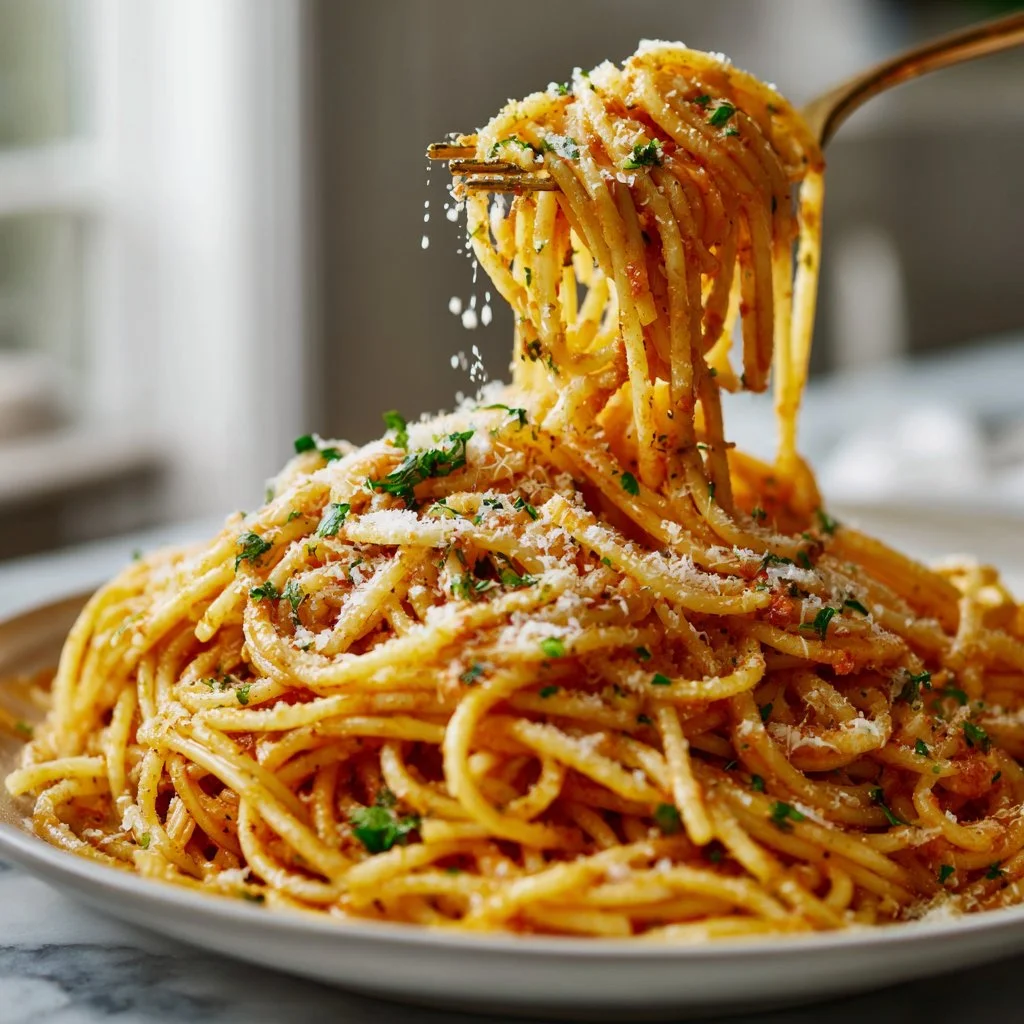
When it comes to plating, don’t underestimate the power of presentation! Twirl your pasta onto the plate using a fork for that fancy touch, creating a beautiful nest shape in the center. Garnish with a few fresh herbs, a sprinkle of cheese, and maybe even a lemon wedge for a pop of color and freshness. Serve with crusty bread on the side, and you’ve got yourself a restaurant-worthy plate ready to impress!
Recipe Variations: Get Creative!
Bored of the same old pasta dish? Switch it up with these fun ideas:
-
Pasta Primavera: Toss in colorful seasonal veggies like bell peppers, zucchini, and cherry tomatoes for a fresh and vibrant twist.
-
Pesto Pasta: Replace marinara with a basil pesto or even sun-dried tomato pesto for an aromatic kick.
-
Creamy Pasta: Try a creamy Alfredo sauce or mix in some mascarpone cheese for a rich, luscious texture.
-
Spicy Arrabbiata: Add red pepper flakes to your marinara for a little heat and kick!
-
Mediterranean Style: Incorporate olives, artichokes, and feta for a delightful Mediterranean flair.
Chef’s Notes: My Pasta Evolution
Throughout the years, my love affair with pasta has only intensified. I started with store-bought sauces out of sheer necessity, but as my confidence grew, I began experimenting with my tomato sauce, evolving it over time with different spices, veggies, and even wine. The best part about cooking pasta is that there’s no one way to do it!
I still remember the first time I decided to add some red wine to my marinara. As it simmered, the aroma filled the kitchen, and I could hardly wait to taste it. That little addition transformed my sauce! That’s why I always encourage kitchen experimentation. Don’t be afraid to mix things up; after all, cooking is an art, not a science!
FAQs and Troubleshooting: Common Pasta Problems
Q: My pasta is sticky. What went wrong?
A: This often happens if you don’t use enough water or salt when boiling. Be sure to stir the pasta occasionally, and don’t overcook it! Having a drizzle of olive oil can help, but it’s best to prevent sticking rather than fix it afterward.
Q: How do I know when my pasta is done?
A: Taste a strand about a minute before the package time. You’re aiming for an al dente texture—cooked but with a slight firmness.
Q: Can I make pasta ahead of time?
A: Yes! Cook it and then toss it with a little olive oil to prevent sticking. Keep it in the fridge for up to three days. Reheat gently in boiling water or your sauce.
Q: What do I do if my sauce is too thick?
A: Add a splash of that reserved pasta cooking water! It’s starchy and will help loosen the sauce while keeping the flavor intact.
Nutritional Info (Optional)
Wine: Don’t forget that a little bit of red or white wine can take your pasta to the next level, but it also adds calories—so don’t overdo it!
Vegan Options: Substituting cheese with nutritional yeast or omitting it entirely can dramatically lower caloric content while still delivering a flavorful punch!
Conclusion: Let’s Create Pasta Magic Together!
Cooking pasta may seem simple, but with the right techniques, you can elevate your dishes. Remember that the kitchen is your playground! So don’t shy away from experimenting with new flavors and ingredients. Whether you’re making a classic spaghetti Bolognese or trying out a creamy pasta primavera, embrace the process.
I can’t wait for you to dive into the world of pasta cooking! Let’s make food that tastes amazing and fits your life. So, are you ready to grab your favorite pan and get started? I am rooting for you every step of the way! Happy cooking! 🍝
PrintPerfectly Cooked Pasta
A guide to cooking pasta perfectly every time with easy tips and tricks.
- Prep Time: 10 minutes
- Cook Time: 15 minutes
- Total Time: 25 minutes
- Yield: 4 servings
- Category: Main Course
- Method: Boiling
- Cuisine: Italian
- Diet: Vegetarian
Ingredients
- Pasta (any type)
- Salt (for boiling water)
- Olive Oil (optional)
- Sauce (store-bought or homemade)
- Protein (optional)
- Fresh Herbs (basil, parsley, etc.)
- Parmesan Cheese (grated)
Instructions
- Boil a large pot of water and add salt.
- Add the pasta to the boiling water.
- Stir occasionally to ensure even cooking.
- Test the pasta for doneness a minute before the suggested cooking time.
- Drain the pasta, reserving some pasta water.
- Combine the pasta with your sauce.
- Serve and garnish with fresh herbs and cheese.
Notes
For added flavor, drizzle olive oil over the finished dish. Experiment with sauces and garnishes to suit your taste.
Nutrition
- Serving Size: 1 serving
- Calories: 350
- Sugar: 3g
- Sodium: 400mg
- Fat: 10g
- Saturated Fat: 2g
- Unsaturated Fat: 6g
- Trans Fat: 0g
- Carbohydrates: 52g
- Fiber: 2g
- Protein: 12g
- Cholesterol: 5mg
Keywords: pasta, cooking tips, Italian cuisine, comfort food, family recipes